
Evidence-Based EducationMade Simple
Simple explanations.
Quality research compounds.
Just give me the skinny.™
NOTE:
Research Use Only. Not for Human Consumption.
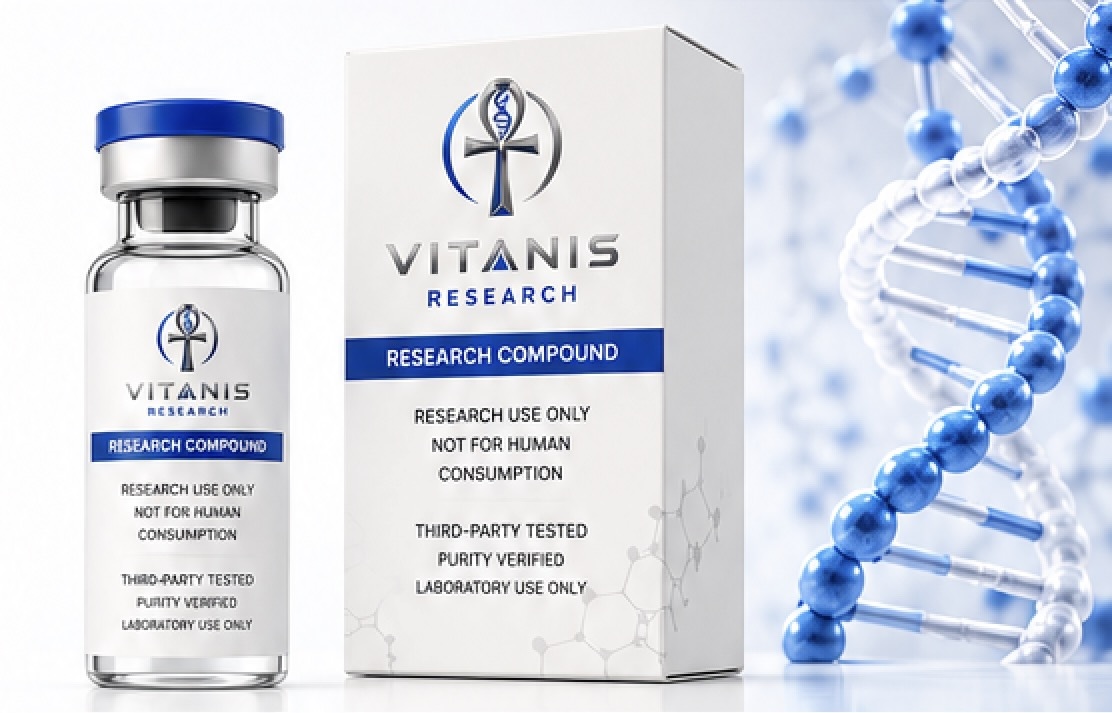
CREDENTIAL REGISTRY / VR-CR-2026
Five Pillars of
Research Integrity
Third-Party Quality
Independent purity verification on every batch
Research Education
Comprehensive protocols and compound guides
Scientific Rigor
Clinical-grade synthesis under documented standards
Data Privacy
Researcher identity protected at every transaction
Expert Support
Technical guidance from qualified research personnel
Analytical Testing
Every compound undergoes HPLC purity analysis and mass spectrometry confirmation by independent third-party laboratories before release.
Compliance Framework
All materials are classified Research Use Only, distributed exclusively to qualified institutional and private laboratory environments.
Chain of Custody
Cold-chain logistics and tamper-evident packaging maintain compound integrity from synthesis through final laboratory delivery.
Vitanis Research — Quality Standards Document, Rev. 4.2
RS-C / CATEGORY INDEX
Research
Category
Index
Six priority domains, curated for focused laboratory investigation and peptide research programs.
Metabolic Research
Compounds targeting metabolic pathways, glucose regulation, and lipid modulation studies
01 / MR
Recovery & Tissue Research
Peptides for accelerated cellular repair, wound healing, and musculoskeletal regeneration
02 / RT
Growth Hormone Research
Secretagogues and releasing peptides for GH axis modulation in controlled settings
03 / GH
Mitochondrial Research
Compounds targeting mitochondrial biogenesis, oxidative phosphorylation, and energy production
04 / MC
Cellular Defense Research
Antioxidant and cytoprotective peptide candidates for stress response investigations
05 / CD
Cognitive Research
Neuropeptides and nootropic compounds for cognitive function and neurological research
06 / CG
PR-X / COMPOUND CATALOG
Featured Research
Compounds
06 compounds
5mg lyophilized · Research Use Only
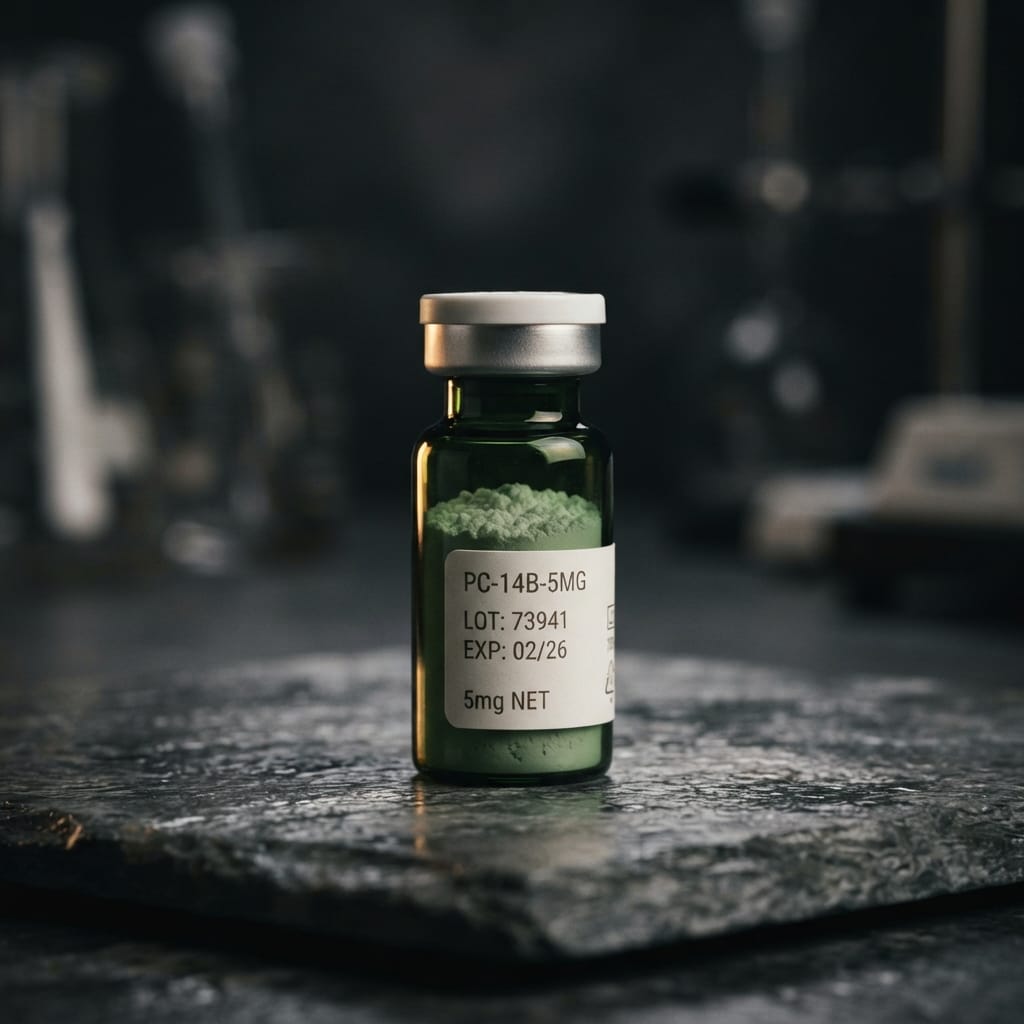
BPC-157
Body Protective Compound · Recovery & Tissue
A pentadecapeptide fragment studied for its role in gastrointestinal repair, tendon healing, and cytoprotective activity.
TB-500
Thymosin Beta-4 Fragment · Recovery & Tissue
A synthetic fragment of Thymosin Beta-4 examined for its role in tissue regeneration, wound healing, and angiogenesis research.
CJC-1295 No DAC
GH-Releasing Peptide · Growth Hormone
A modified form of GHRH studied for pulsatile growth hormone release without extended half-life via DAC linkage.

Ipamorelin
GH Secretagogue Peptide · Growth Hormone
A selective growth hormone secretagogue examined for its high selectivity and minimal cortisol and prolactin interference.

SS-31
Mitochondria-Targeted Peptide · Mitochondrial
A cardiolipin-targeting tetrapeptide studied for mitochondrial membrane protection and oxidative stress reduction in vitro.
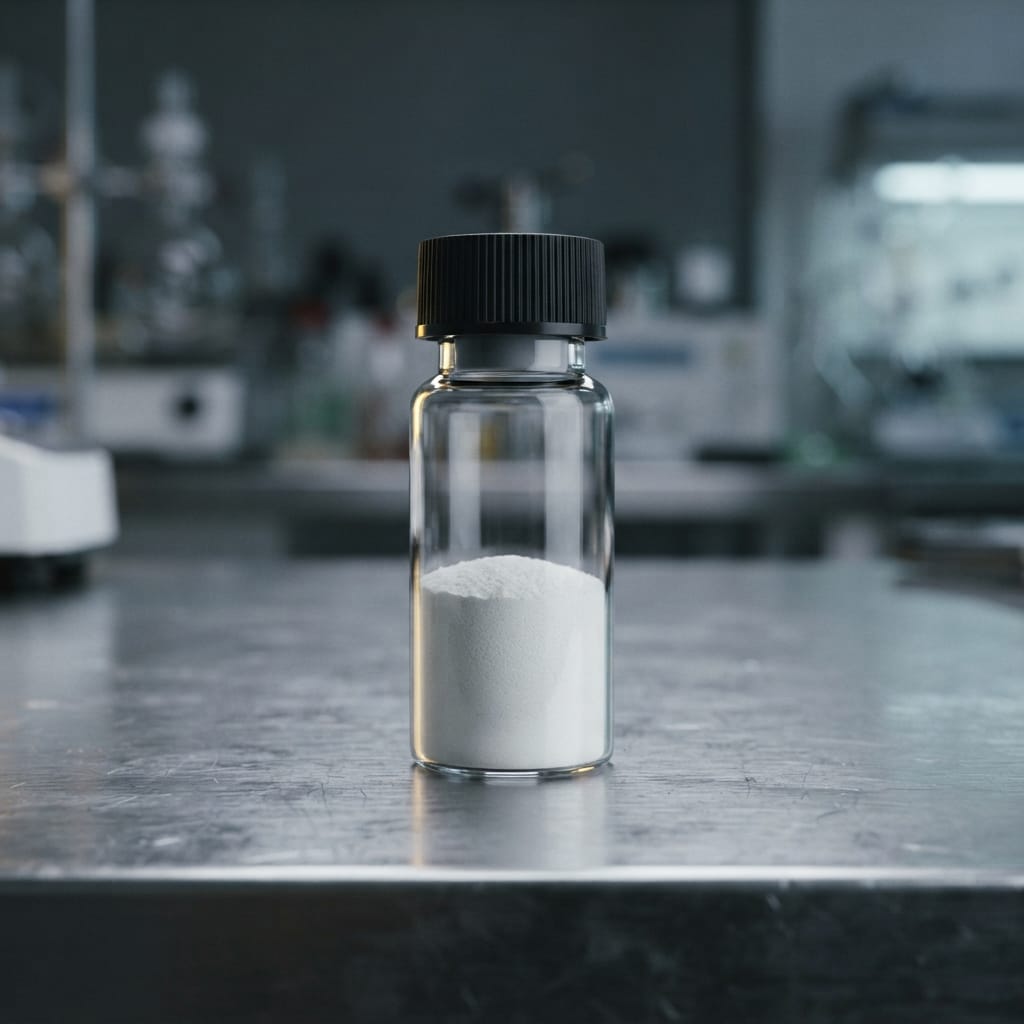
AOD-9604
Lipolytic GH Fragment · Metabolic
A modified fragment of human growth hormone investigated for its ability to stimulate lipolysis without affecting insulin sensitivity.
ED-L / RESEARCH LIBRARY
Investigator
Resource Library
Vitanis Research maintains an active educational library for investigators who require accurate background on peptide mechanisms, compound interaction profiles, and laboratory protocols. Resources are authored by qualified researchers and updated to reflect current scientific literature, ensuring investigators operate from verified, peer-informed standards at every stage of their investigation.
30+
Research Guides
6
Research Categories
100%
Investigator-Authored
RUO
Compliance Standards
BPC-157: Mechanisms of Tissue Repair and Gastrointestinal Protection
An overview of the cytoprotective pathways and nitric oxide signaling implicated in BPC-157 tissue repair research.
GH Secretagogue Stacking: CJC-1295 and Ipamorelin Research Overview
Examining the synergistic GHRH and GHRP axis interactions documented in controlled laboratory investigations.
SS-31 and Mitochondrial Membrane Integrity: A Laboratory Primer
Reviewing cardiolipin-binding mechanisms and the role of SS-31 in oxidative stress mitigation research models.